





























Water stains can appear anywhere on your vehicle—on the paintwork, windows, dashboard, seats, or even the headliner. They dull the finish and make a clean car look neglected. If you’re searching for how to get rid of water stains on a car, this guide walks you through safe and effective methods for every surface, tailored for drivers across Europe.
What Causes Water Stains on a Car?
Water stains form when water evaporates and leaves mineral deposits, dirt, or acidic contaminants behind. Depending on the region in Europe, water hardness and rainfall pollutants vary, which can make stains appear more quickly.
1. Hard Water Deposits
Common across many EU countries—especially Germany, Italy, Spain, and parts of France.
When mineral-heavy water dries, it leaves calcium and magnesium spots on paint and glass.
2. Acid Rain Spots
Industrial regions across Europe often see rain mixed with pollutants.
This type of water spot can etch into the clear coat and become difficult to remove.
3. Interior Condensation
Europe’s changing climate—cold winters and warm summers—causes moisture to form inside the car.
Condensation on windows, fabric seats, or headliners may dry into visible stains.
4. Spills or Water Ingress
Leaking door seals, open windows during rain, or drinks spilling can stain seats, carpets, or the car’s ceiling.
How to Remove Water Stains from Car Windows and Glass
Hard water stains on glass reduce visibility and look unpleasant. Standard glass cleaners often aren’t strong enough to dissolve mineral deposits.
1. Vinegar Solution (Most Effective DIY Fix)
Mix equal parts white vinegar and water.
- Spray onto glass
- Let it sit for 2–5 minutes
- Wipe with a microfiber cloth
Vinegar breaks down mineral residue safely.
2. Baking Soda Paste
For heavier marks:
- Mix baking soda + a bit of water
- Gently rub in circles
- Rinse and wipe clean
3. Use a Glass Clay Bar
For stubborn spots:
- Apply clay lubricant
- Glide the clay bar across the glass
This lifts embedded deposits and restores smoothness.
How to Remove Water Stains from Car Paint (Exterior)
1. Rinse and Wash First
Use a pH-balanced car shampoo and microfiber wash mitt.
Fresh water spots may come off during washing.
2. Vinegar Spray Treatment
Spray a 1:1 vinegar-water mix onto the affected paint.
-
Leave for 1 minute
-
Rinse immediately afterward
Avoid leaving vinegar too long on paint.
3. Use a Professional Water Spot Remover
Most EU car care stores carry mineral-removing formulas.
Use according to the instructions.
4. Clay Bar or Light Polish
For older, etched stains:
-
Clay bar removes bonded contaminants
-
Light polish removes deeper mineral etching
Finish with wax or sealant to protect the paint.
How to Get Water Stains Out of Car Seats & Interior Fabrics
1. Blot Fresh Stains First
Press (don’t rub) a clean towel on fresh moisture to absorb it quickly.
2. Apply a Mild Upholstery Cleaner
Spray directly onto the stain and gently scrub with a soft brush.
Wipe clean with a microfiber cloth.
3. Vinegar + Water for Older Stains
Spray lightly, wait a few minutes, blot dry.
Avoid oversaturating fabrics, especially the headliner.
Quick Reference Guide
| Surface | Method | Product Needed | Time |
|---|---|---|---|
| Car Paint | Wash + Clay Bar | Car Shampoo, Clay Bar | 30–60 mins |
| Windows/Glass | Vinegar Spray | White Vinegar, Microfiber | 10–15 mins |
| Fabric Seats | Upholstery Cleaner | Fabric Cleaner | 15–20 mins |
| Headliner | Blot + Spot Clean | Vinegar or Mild Cleaner | 10–15 mins |
Special Techniques for Hard Water Stains (High Mineral Areas in EU)
Many European cities have hard water, which can leave chalky, stubborn stains.
1. Stronger Acidic Cleaners (Car-Safe Products Only)
If DIY solutions don’t work, use a specialised water spot remover labelled safe for automotive surfaces.
2. Polishing for Etched Spots
A light polish often restores both paint and glass affected by etched minerals.
3. Always Test First
Apply a small amount to a hidden area to ensure compatibility.
Preventing Future Water Stains on Your Car
Prevention is easier than removal—especially in areas with mineral-rich tap water or frequent rain.
Exterior Protection
1. Dry After Every Wash
Use a microfiber drying towel to stop mineral deposits before they set.
2. Apply Wax or Sealant
A protective coating helps water bead off the surface.
Reapply every 3–4 months for the best protection.
3. Park Under Cover When Possible
It reduces exposure to rain, bird droppings, and pollution.
Interior Protection
1. Check for Leaks
Inspect door and window seals regularly.
2. Maintain Rubber Weather Strips
Clean and condition them to prevent cracks.
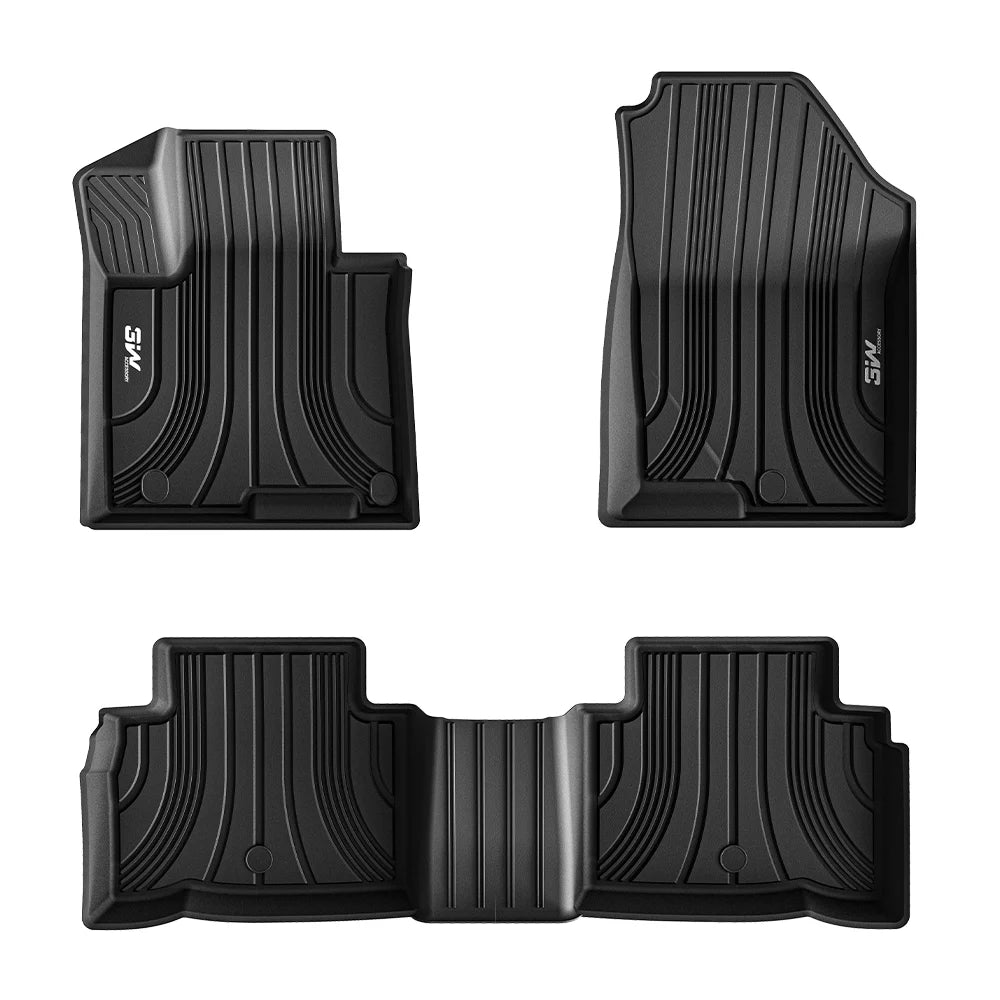
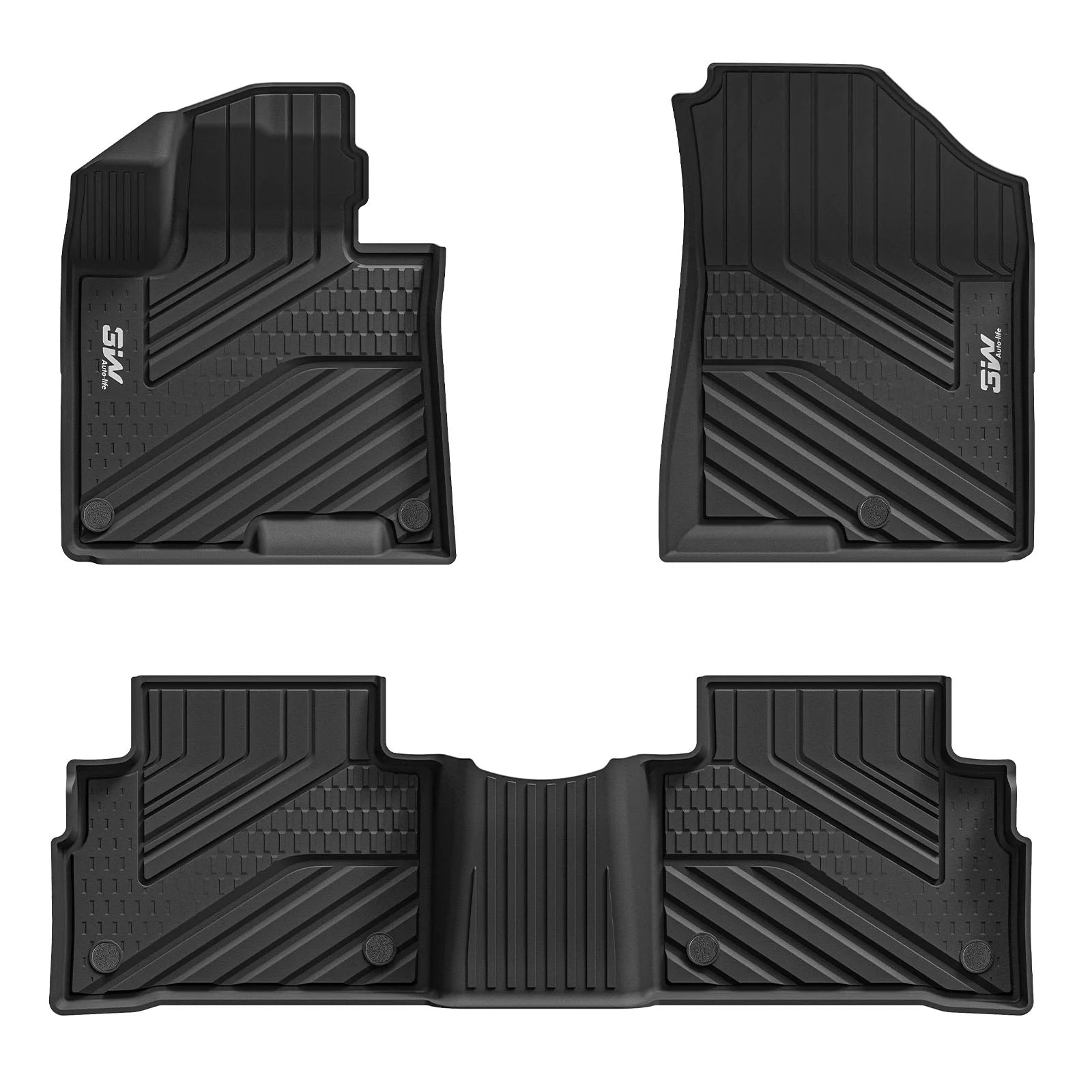
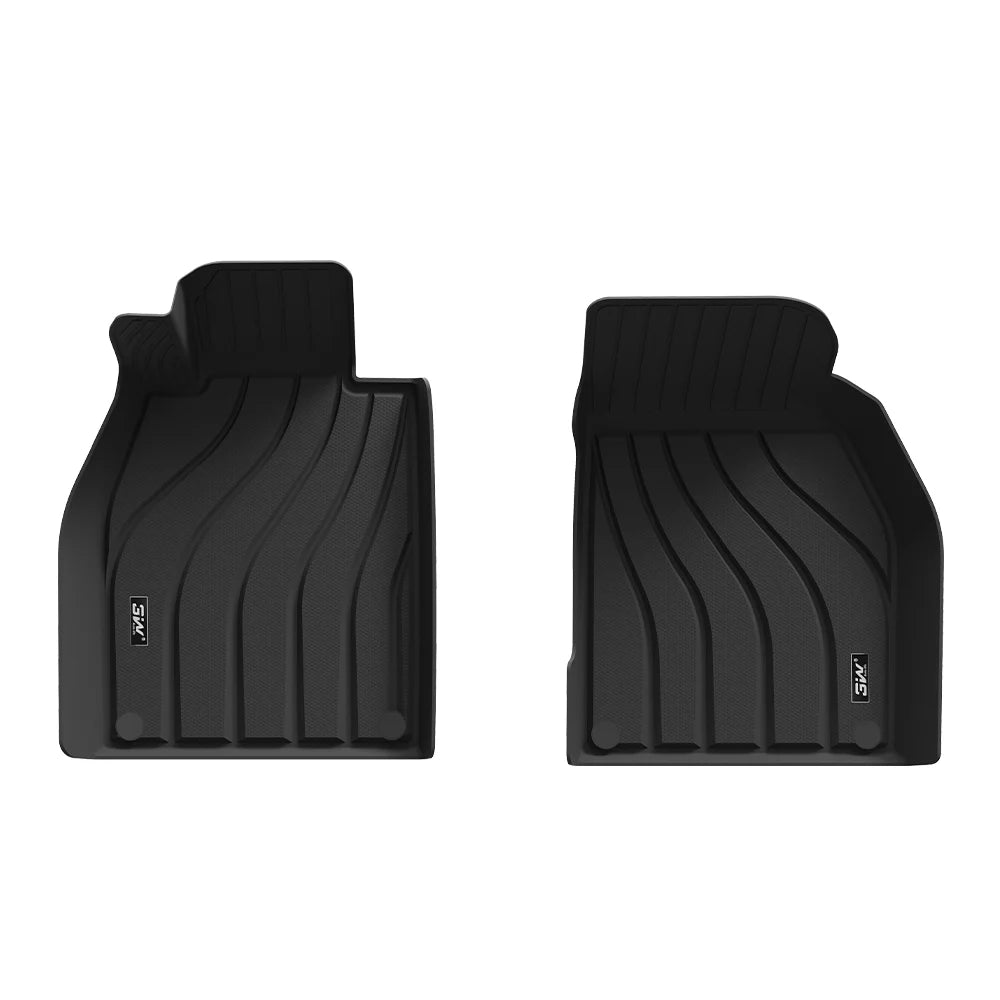
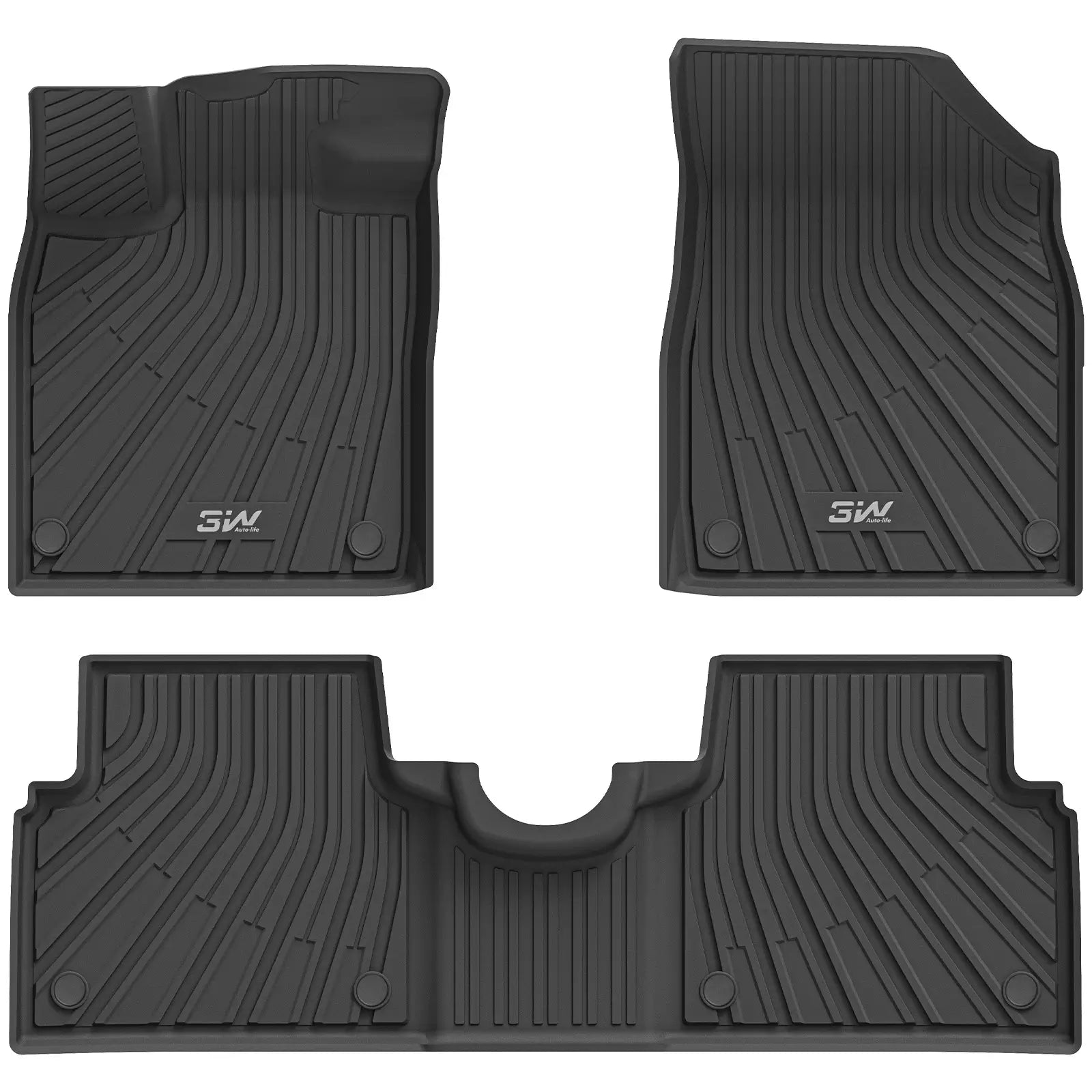
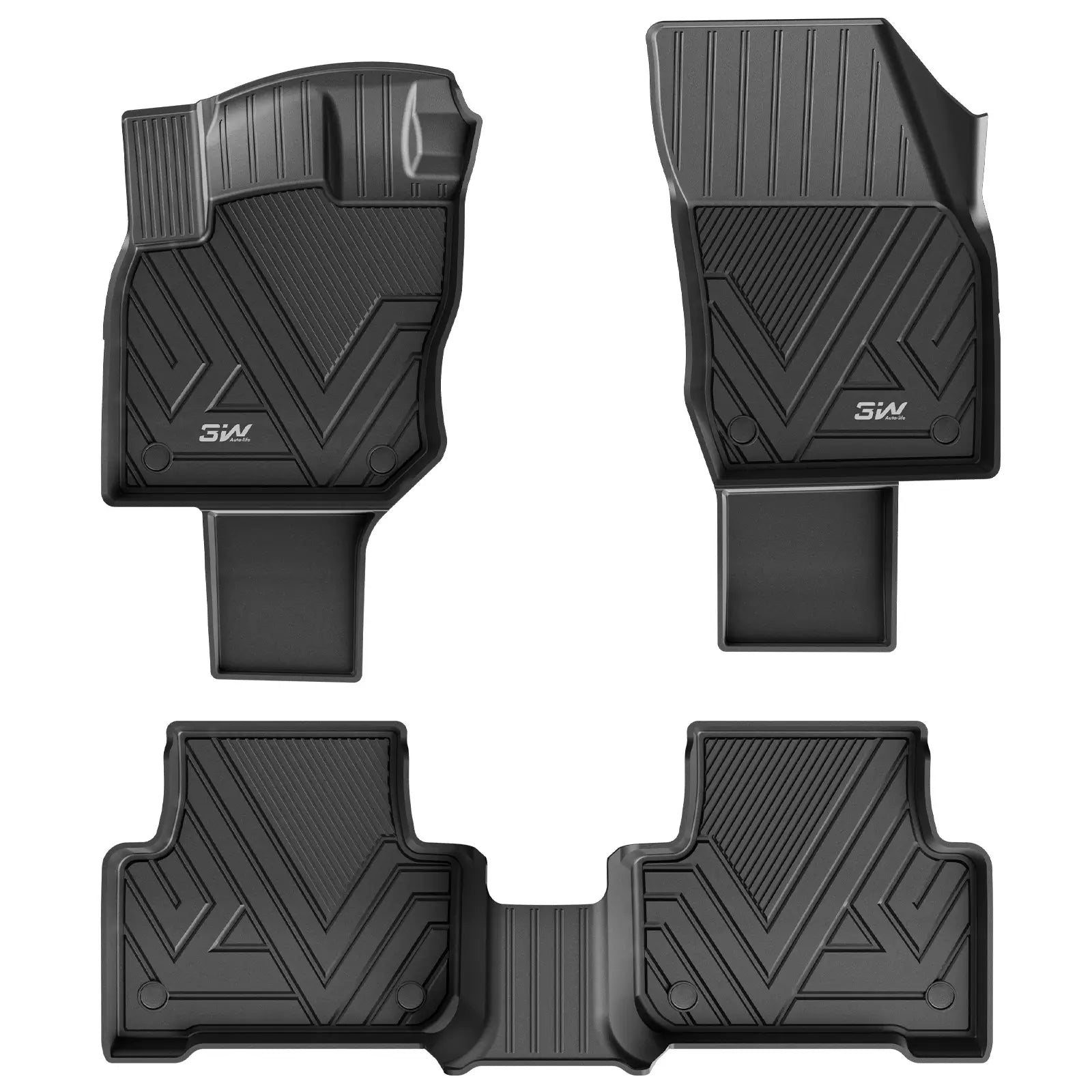
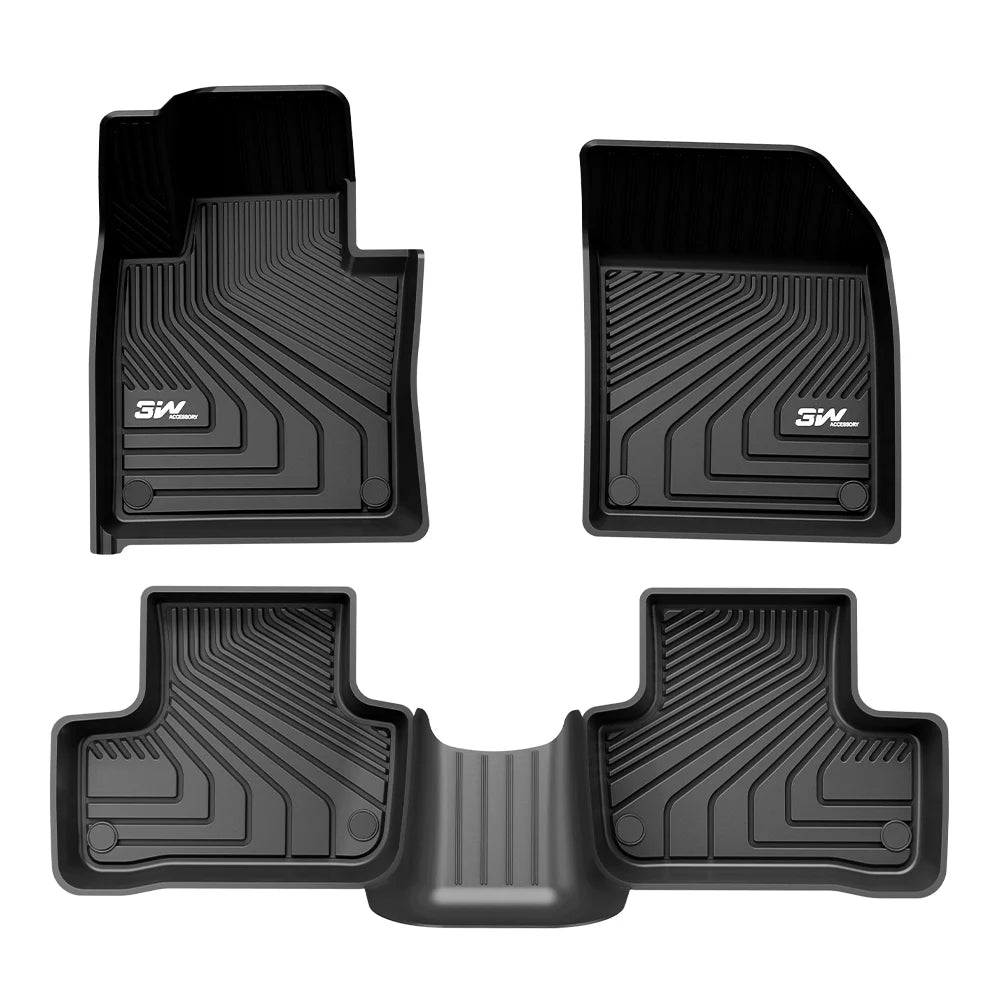
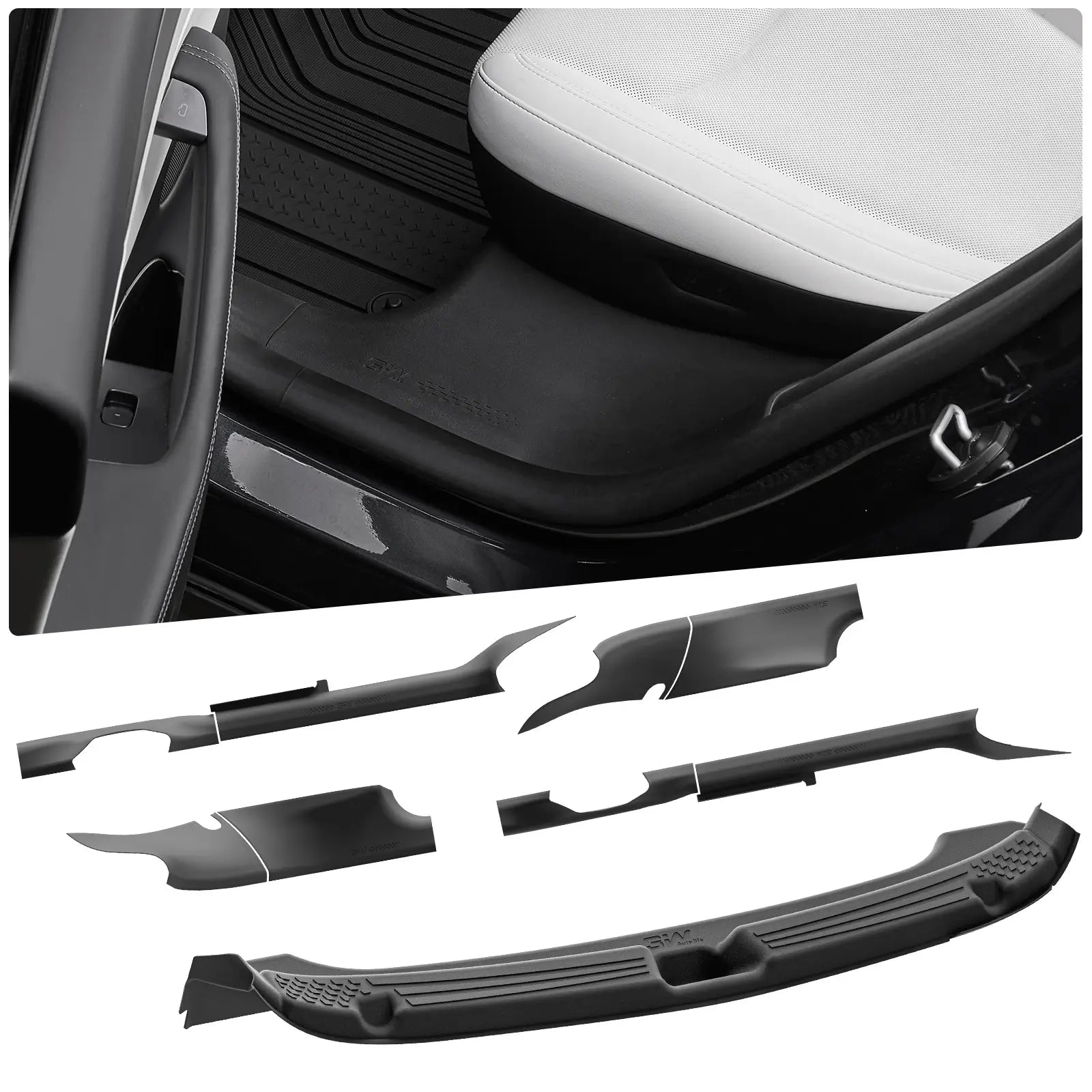
3. Use Water-Repellent Floor Liners
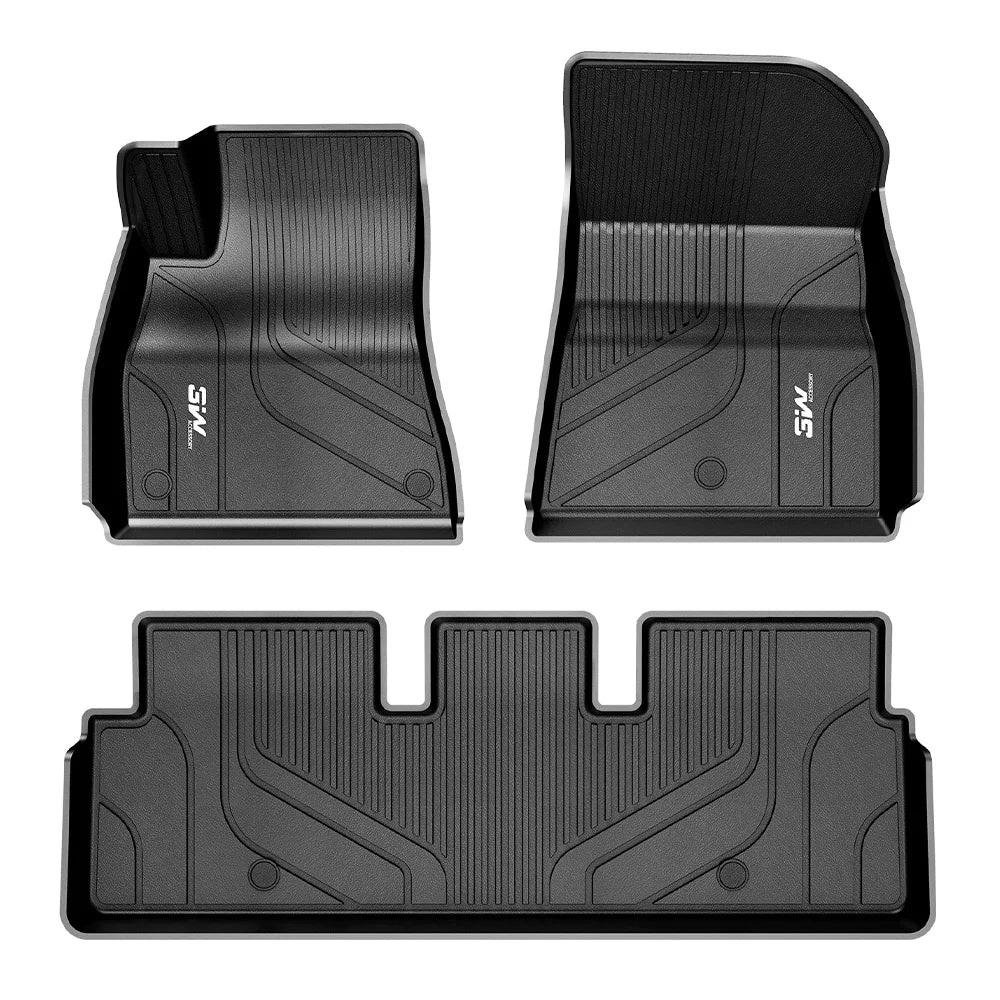
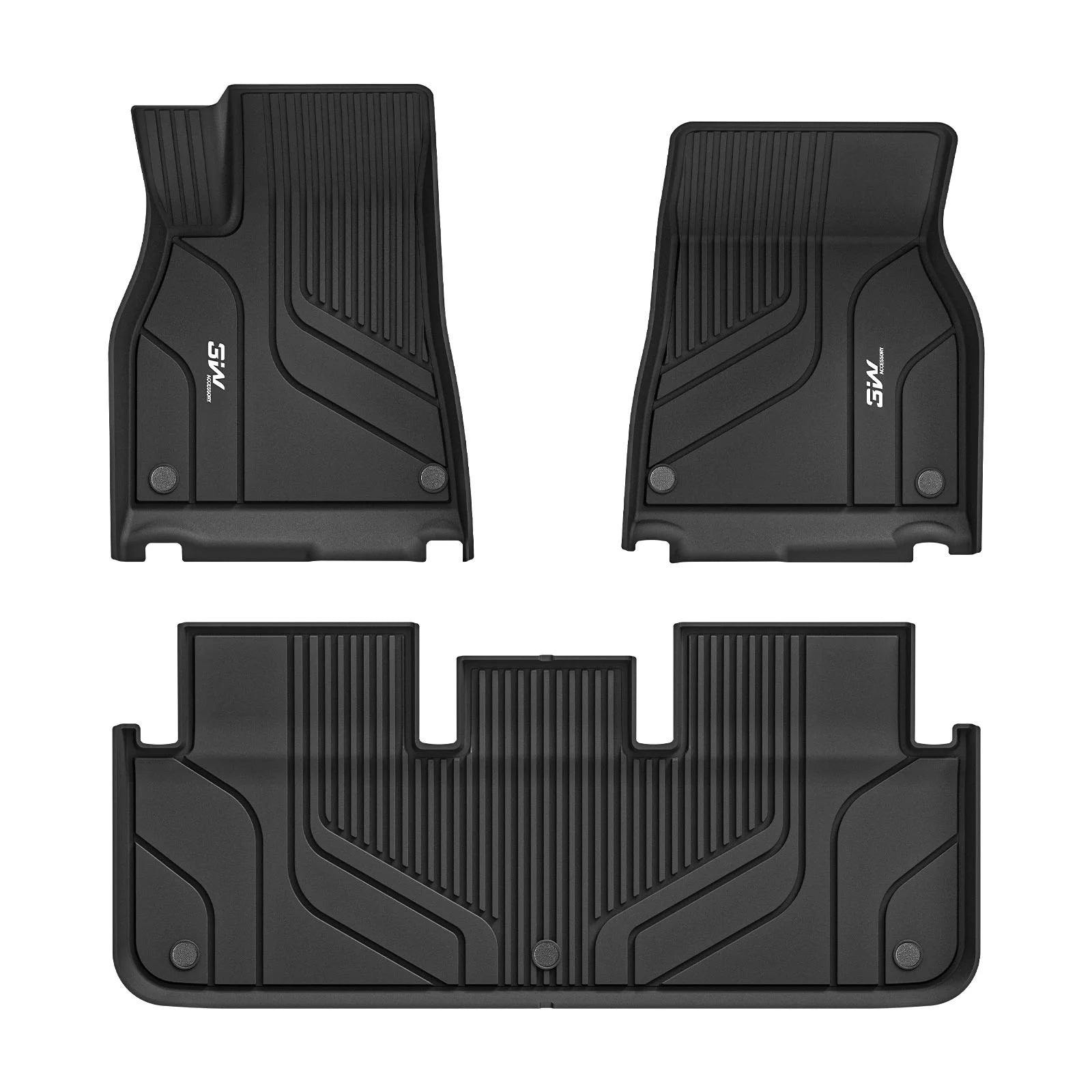
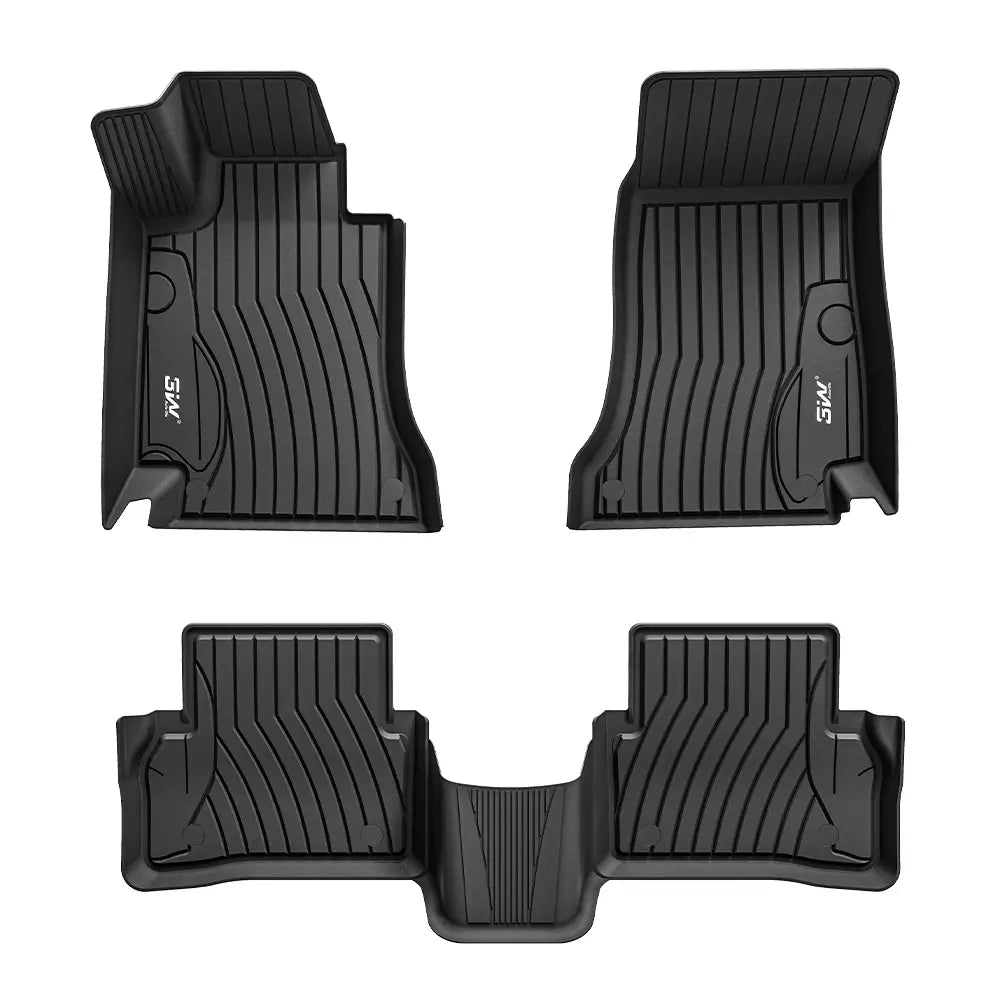
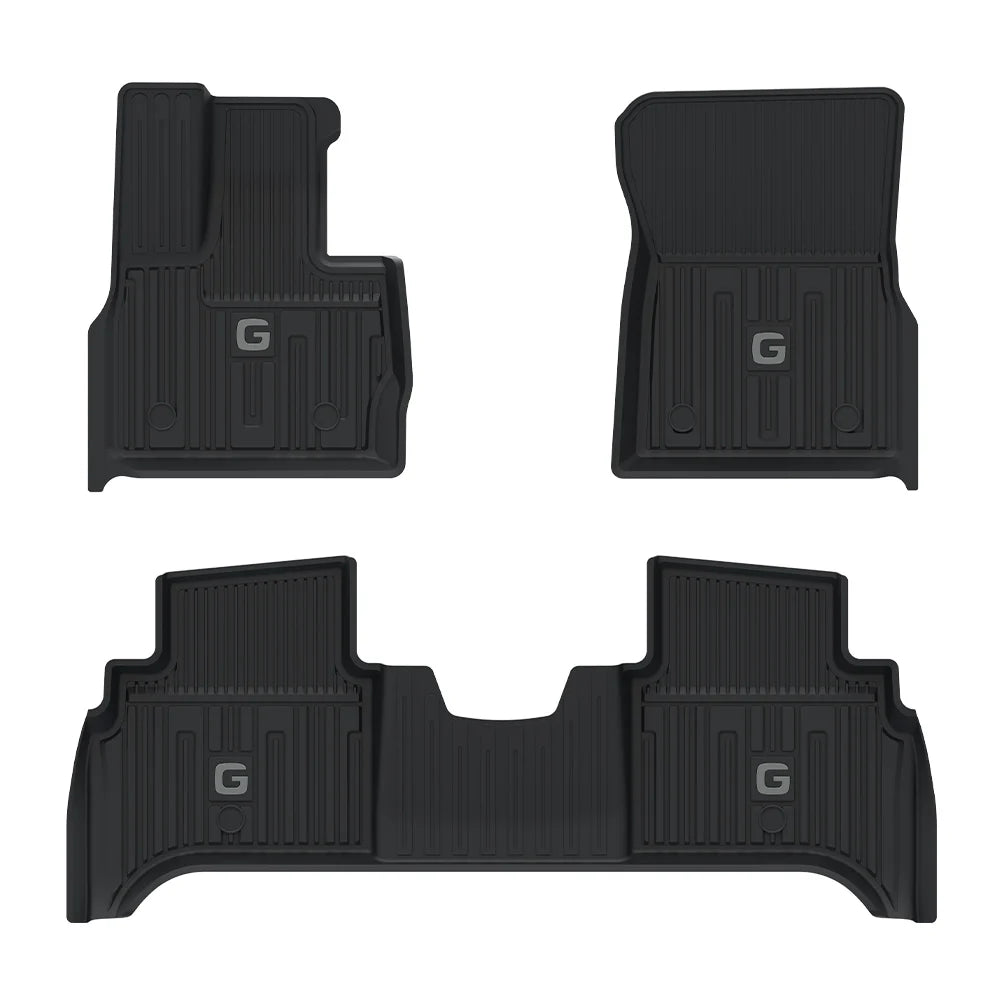
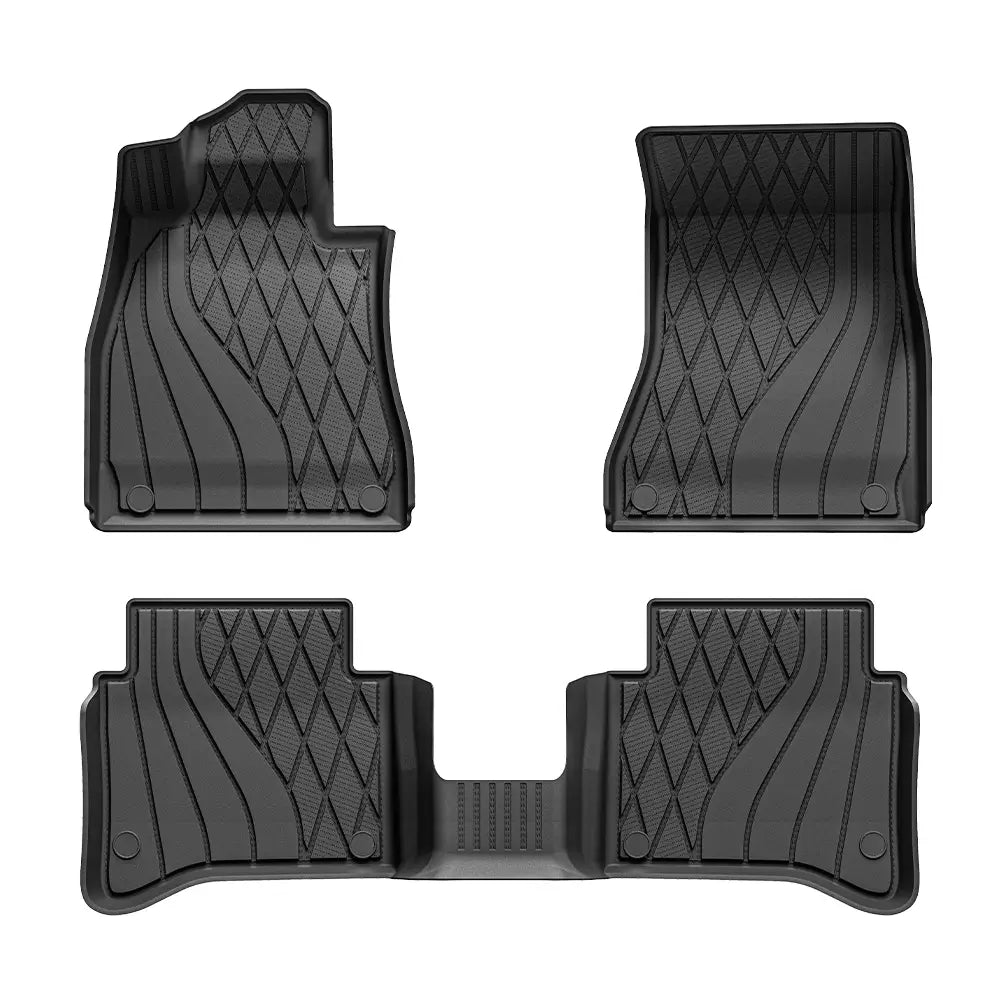
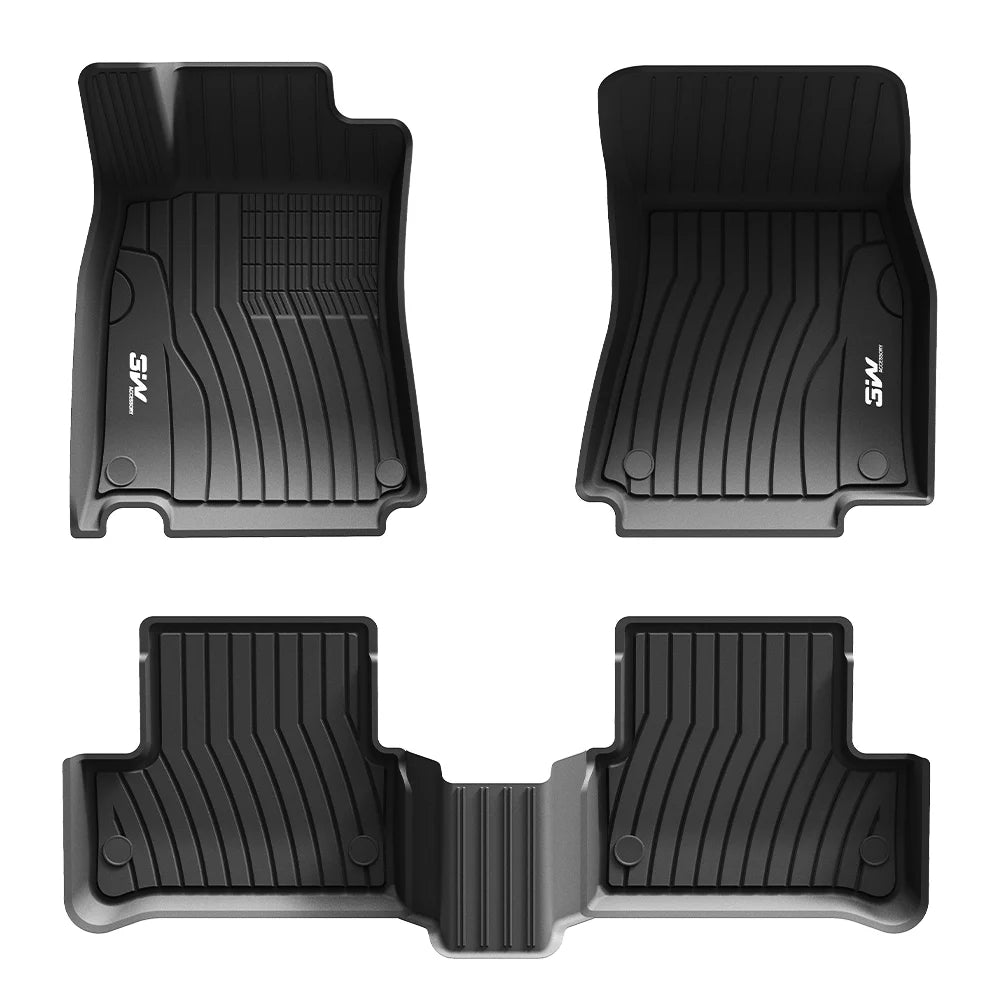
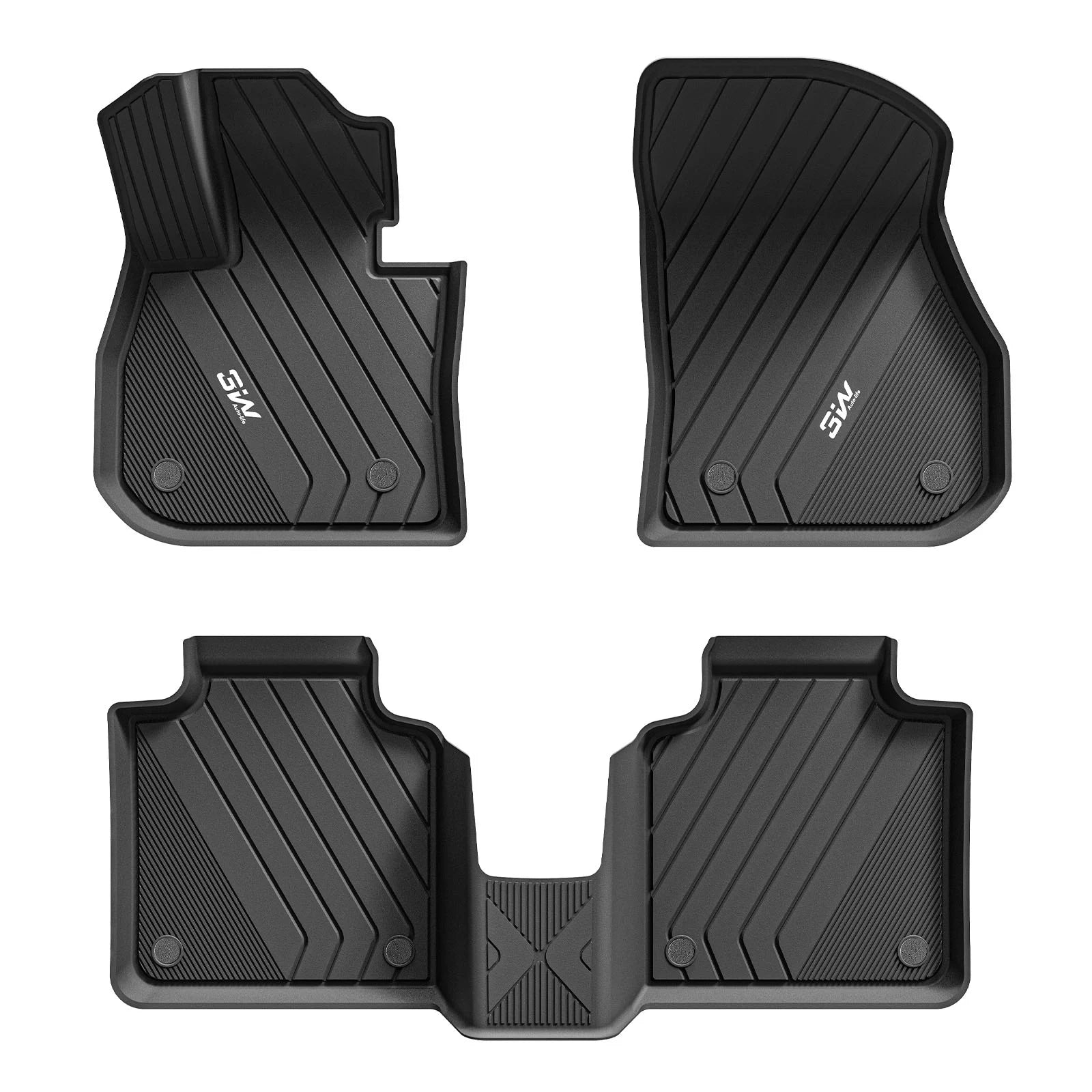
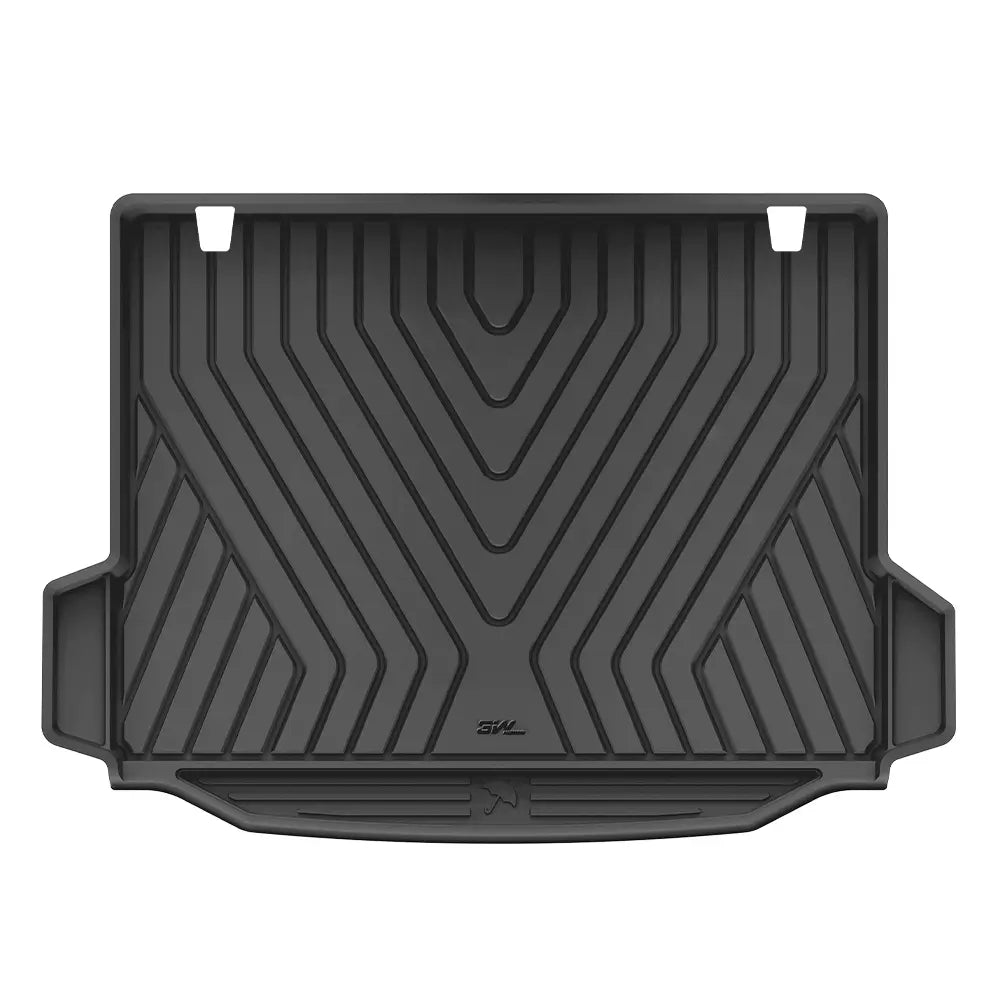
Premium TPE liners such as 3Wliners offer:
- Full edge-to-edge spill protection
- Raised edges to trap water
- Easy cleaning
- Protection from mud, wet shoes, and winter slush
Ideal for rainy and snowy EU regions.
4. Avoid Leaving Wet Items Inside
Wet jackets, umbrellas, or towels can transfer moisture to seats and carpets.
Maintenance Schedule
| Task | Frequency | Benefit |
|---|---|---|
| Wax/Sealant | Every 3–4 months | Prevents exterior water spots |
| Inspect Seals | Every 6 months | Stops interior leaks |
| Clean 3W Liners | As needed | Keeps floors protected |
| Upholstery Treatment | Once a year | Repels stains |
Conclusion
Now you know how to get rid of water stains on car paint, glass, and fabrics, as well as how to prevent them from coming back. A mix of simple cleaning solutions, proper drying, and smart interior protection—such as 3W floor liners—keeps your car looking clean and fresh in any EU climate.
FAQs
Can water spots become permanent?
Yes. Hard water or acid rain can etch into paint or glass. Early removal prevents permanent damage.
How do I avoid water stains when washing my car?
Wash in the shade, rinse thoroughly, and dry the car immediately. Consider installing a water filter or using softened water if you live in a hard-water region.
How do I stop water stains inside my car?
Check seals for leaks, keep the interior dry, and use waterproof mats like 3W Liners to catch water before it spreads.